Buy taping.eu ?
We are moving the project
taping.eu .
Are you interested in purchasing the domain
taping.eu ?
domain@kv-gmbh.de · 0541-91531010
Buy taping.eu ?
What is the interaction effect in a mixed ANOVA?
The interaction effect in a mixed ANOVA refers to the combined effect of two or more independent variables on the dependent variable. It indicates whether the effect of one independent variable on the dependent variable is influenced by the levels of another independent variable. In other words, it shows whether the effect of one factor depends on the level of another factor. The presence of an interaction effect suggests that the relationship between the independent variables and the dependent variable is not simply additive. **
How to conduct an alpha correction in an ANOVA with Bonferroni post-hoc test?
To conduct an alpha correction in an ANOVA with Bonferroni post-hoc test, you first need to determine the overall significance level you want to use for the entire family of comparisons. Divide this significance level (usually 0.05) by the number of planned comparisons to get the adjusted alpha level for each individual comparison. Then, compare the p-values from the post-hoc tests to the adjusted alpha level to determine statistical significance. This correction helps reduce the likelihood of making a Type I error when conducting multiple comparisons. **

Similar search terms for ANOVA
Top-Angebote
Products related to ANOVA:
-
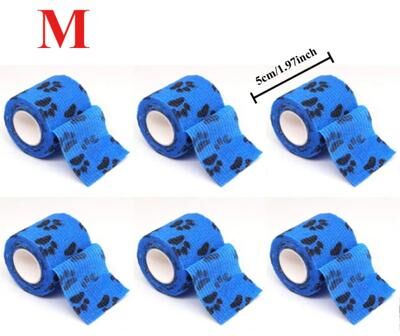
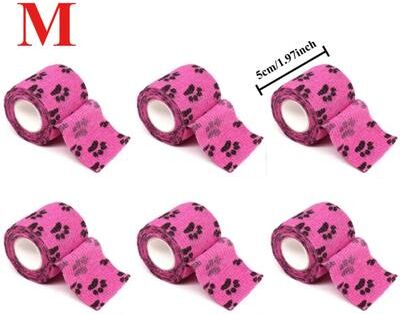
Inspire Essentials Self Adhesive Pet Bandage Wrap For Dogs And Cats 13Help keep your furry companion comfortable and protected with this pet bandage wrap designed for dogs and cats. Made with soft flexible non woven material this self adhesive bandage provides gentle support and coverage for legs paws and minor...34,98 $*Shipping: 0,00 $Secure redirect to the provider
-
Inspire Essentials Self Adhesive Pet Bandage Wrap For Dogs And Cats 4Help keep your furry companion comfortable and protected with this pet bandage wrap designed for dogs and cats. Made with soft flexible non woven material this self adhesive bandage provides gentle support and coverage for legs paws and minor...34,98 $*Shipping: 0,00 $Secure redirect to the provider
-
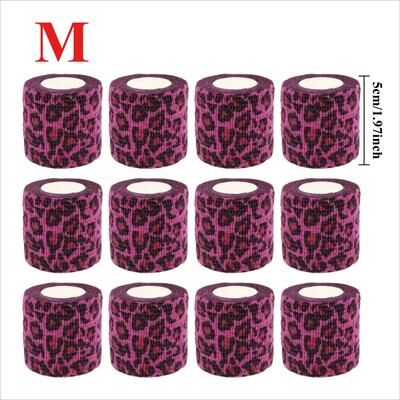
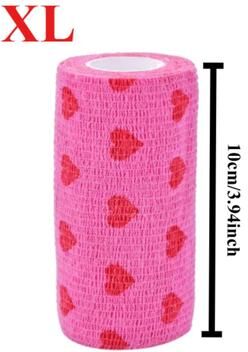
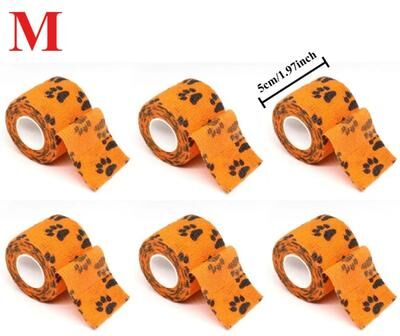
Inspire Essentials Self Adhesive Pet Bandage Wrap For Dogs And Cats 8Help keep your furry companion comfortable and protected with this pet bandage wrap designed for dogs and cats. Made with soft flexible non woven material this self adhesive bandage provides gentle support and coverage for legs paws and minor...34,98 $*Shipping: 0,00 $Secure redirect to the provider
-
Inspire Essentials Self Adhesive Pet Bandage Wrap For Dogs And Cats 3Help keep your furry companion comfortable and protected with this pet bandage wrap designed for dogs and cats. Made with soft flexible non woven material this self adhesive bandage provides gentle support and coverage for legs paws and minor...34,98 $*Shipping: 0,00 $Secure redirect to the provider

-
How to perform an alpha correction in an ANOVA with Bonferroni post-hoc test?
To perform an alpha correction in an ANOVA with Bonferroni post-hoc test, you first need to determine the desired alpha level for the overall analysis. Then, divide this alpha level by the number of planned comparisons in the post-hoc test (e.g., number of groups being compared). This adjusted alpha level will be used to determine statistical significance for each individual comparison. By using the Bonferroni correction, you reduce the likelihood of making a Type I error when conducting multiple comparisons. **
-
Is the Levene test for homogeneity of variances the same as one-way ANOVA?
No, the Levene test for homogeneity of variances is a separate statistical test used to assess whether the variances of the groups being compared in an ANOVA are equal. On the other hand, one-way ANOVA is a hypothesis test used to determine whether there are statistically significant differences between the means of three or more independent groups. The Levene test is often conducted before performing an ANOVA to ensure that the assumption of homogeneity of variances is met. **
-
Is the Levene test for homogeneity of variances the same as the one-way ANOVA?
No, the Levene test for homogeneity of variances is a separate statistical test from the one-way ANOVA. The Levene test is used to determine if the variances of the groups being compared in an ANOVA are equal. It tests the null hypothesis that the variances are equal across all groups. On the other hand, the one-way ANOVA is used to test the null hypothesis that the means of the groups are equal. While both tests are related to comparing groups, they are testing different aspects of the data. **
-
What is a adhesive strip bandage?
An adhesive strip bandage is a small, flexible bandage that is used to cover and protect minor cuts, scrapes, and wounds. It consists of a small, absorbent pad attached to a thin, adhesive strip that sticks to the skin. The adhesive strip bandage is designed to stay in place and provide a barrier against dirt and bacteria while the wound heals. It is a common first aid item found in most households and medical kits. **

What do I need to calculate if my two-way repeated measures ANOVA is not normally distributed?
If your two-way repeated measures ANOVA is not normally distributed, you may need to calculate a non-parametric alternative test, such as the Friedman test. This test does not assume normality and is appropriate for analyzing repeated measures data when the assumptions of ANOVA are not met. Additionally, you may need to consider transforming your data or using robust statistical methods to account for the violation of normality assumption. It is important to assess the impact of the non-normality on your results and interpret them accordingly. **
How can adhesive bandage residue be removed painlessly?
Adhesive bandage residue can be removed painlessly by using a few different methods. One option is to apply a small amount of baby oil or coconut oil to the residue and gently rub it in to loosen the adhesive. Another method is to use a warm, damp washcloth to gently soften the residue before carefully peeling it off. Additionally, there are adhesive remover products available that are specifically designed to dissolve and remove bandage residue without causing discomfort. **
Top-Angebote
Products related to ANOVA:
-
Inspire Essentials Self Adhesive Pet Bandage Wrap For Dogs And Cats 5Help keep your furry companion comfortable and protected with this pet bandage wrap designed for dogs and cats. Made with soft flexible non woven material this self adhesive bandage provides gentle support and coverage for legs paws and minor...34,98 $*Shipping: 0,00 $Secure redirect to the provider
-
Inspire Essentials Self Adhesive Pet Bandage Wrap For Dogs And Cats 6Help keep your furry companion comfortable and protected with this pet bandage wrap designed for dogs and cats. Made with soft flexible non woven material this self adhesive bandage provides gentle support and coverage for legs paws and minor...34,98 $*Shipping: 0,00 $Secure redirect to the provider
-
Inspire Essentials Self Adhesive Pet Bandage Wrap For Dogs And Cats 13Help keep your furry companion comfortable and protected with this pet bandage wrap designed for dogs and cats. Made with soft flexible non woven material this self adhesive bandage provides gentle support and coverage for legs paws and minor...34,98 $*Shipping: 0,00 $Secure redirect to the provider
-
Inspire Essentials Self Adhesive Pet Bandage Wrap For Dogs And Cats 4Help keep your furry companion comfortable and protected with this pet bandage wrap designed for dogs and cats. Made with soft flexible non woven material this self adhesive bandage provides gentle support and coverage for legs paws and minor...34,98 $*Shipping: 0,00 $Secure redirect to the provider
-
What is the interaction effect in a mixed ANOVA?
The interaction effect in a mixed ANOVA refers to the combined effect of two or more independent variables on the dependent variable. It indicates whether the effect of one independent variable on the dependent variable is influenced by the levels of another independent variable. In other words, it shows whether the effect of one factor depends on the level of another factor. The presence of an interaction effect suggests that the relationship between the independent variables and the dependent variable is not simply additive. **
-
How to conduct an alpha correction in an ANOVA with Bonferroni post-hoc test?
To conduct an alpha correction in an ANOVA with Bonferroni post-hoc test, you first need to determine the overall significance level you want to use for the entire family of comparisons. Divide this significance level (usually 0.05) by the number of planned comparisons to get the adjusted alpha level for each individual comparison. Then, compare the p-values from the post-hoc tests to the adjusted alpha level to determine statistical significance. This correction helps reduce the likelihood of making a Type I error when conducting multiple comparisons. **
-
How to perform an alpha correction in an ANOVA with Bonferroni post-hoc test?
To perform an alpha correction in an ANOVA with Bonferroni post-hoc test, you first need to determine the desired alpha level for the overall analysis. Then, divide this alpha level by the number of planned comparisons in the post-hoc test (e.g., number of groups being compared). This adjusted alpha level will be used to determine statistical significance for each individual comparison. By using the Bonferroni correction, you reduce the likelihood of making a Type I error when conducting multiple comparisons. **
-
Is the Levene test for homogeneity of variances the same as one-way ANOVA?
No, the Levene test for homogeneity of variances is a separate statistical test used to assess whether the variances of the groups being compared in an ANOVA are equal. On the other hand, one-way ANOVA is a hypothesis test used to determine whether there are statistically significant differences between the means of three or more independent groups. The Levene test is often conducted before performing an ANOVA to ensure that the assumption of homogeneity of variances is met. **
Similar search terms for ANOVA
-
Inspire Essentials Self Adhesive Pet Bandage Wrap For Dogs And Cats 8Help keep your furry companion comfortable and protected with this pet bandage wrap designed for dogs and cats. Made with soft flexible non woven material this self adhesive bandage provides gentle support and coverage for legs paws and minor...34,98 $*Shipping: 0,00 $Secure redirect to the provider
-
Inspire Essentials Self Adhesive Pet Bandage Wrap For Dogs And Cats 3Help keep your furry companion comfortable and protected with this pet bandage wrap designed for dogs and cats. Made with soft flexible non woven material this self adhesive bandage provides gentle support and coverage for legs paws and minor...34,98 $*Shipping: 0,00 $Secure redirect to the provider
-
Inspire Essentials Self Adhesive Pet Bandage Wrap For Dogs And Cats 12Help keep your furry companion comfortable and protected with this pet bandage wrap designed for dogs and cats. Made with soft flexible non woven material this self adhesive bandage provides gentle support and coverage for legs paws and minor...34,98 $*Shipping: 0,00 $Secure redirect to the provider
-
Inspire Essentials Self Adhesive Pet Bandage Wrap For Dogs And Cats 9Help keep your furry companion comfortable and protected with this pet bandage wrap designed for dogs and cats. Made with soft flexible non woven material this self adhesive bandage provides gentle support and coverage for legs paws and minor...34,98 $*Shipping: 0,00 $Secure redirect to the provider
-
Is the Levene test for homogeneity of variances the same as the one-way ANOVA?
No, the Levene test for homogeneity of variances is a separate statistical test from the one-way ANOVA. The Levene test is used to determine if the variances of the groups being compared in an ANOVA are equal. It tests the null hypothesis that the variances are equal across all groups. On the other hand, the one-way ANOVA is used to test the null hypothesis that the means of the groups are equal. While both tests are related to comparing groups, they are testing different aspects of the data. **
-
What is a adhesive strip bandage?
An adhesive strip bandage is a small, flexible bandage that is used to cover and protect minor cuts, scrapes, and wounds. It consists of a small, absorbent pad attached to a thin, adhesive strip that sticks to the skin. The adhesive strip bandage is designed to stay in place and provide a barrier against dirt and bacteria while the wound heals. It is a common first aid item found in most households and medical kits. **
-
What do I need to calculate if my two-way repeated measures ANOVA is not normally distributed?
If your two-way repeated measures ANOVA is not normally distributed, you may need to calculate a non-parametric alternative test, such as the Friedman test. This test does not assume normality and is appropriate for analyzing repeated measures data when the assumptions of ANOVA are not met. Additionally, you may need to consider transforming your data or using robust statistical methods to account for the violation of normality assumption. It is important to assess the impact of the non-normality on your results and interpret them accordingly. **
-
How can adhesive bandage residue be removed painlessly?
Adhesive bandage residue can be removed painlessly by using a few different methods. One option is to apply a small amount of baby oil or coconut oil to the residue and gently rub it in to loosen the adhesive. Another method is to use a warm, damp washcloth to gently soften the residue before carefully peeling it off. Additionally, there are adhesive remover products available that are specifically designed to dissolve and remove bandage residue without causing discomfort. **
* All prices are inclusive of VAT and, if applicable, plus shipping costs. The offer information is based on the details provided by the respective shop and is updated through automated processes. Real-time updates do not occur, so deviations can occur in individual cases. ** Note: Parts of this content were created by AI.