Buy taping.eu ?
We are moving the project
taping.eu .
Are you interested in purchasing the domain
taping.eu ?
domain@kv-gmbh.de · 0541-91531010
Buy taping.eu ?
How are intravenous catheters disinfected?
Intravenous catheters are typically disinfected using alcohol-based solutions such as chlorhexidine or povidone-iodine. Before inserting the catheter, the healthcare provider will clean the insertion site with the disinfectant solution to reduce the risk of infection. It is important to follow proper disinfection protocols to maintain a sterile environment and prevent complications for the patient. **
How are intravenous cannulas disinfected?
Intravenous cannulas are disinfected by first washing hands thoroughly with soap and water. The cannula is then wiped with an alcohol swab to disinfect the external surface. Before insertion, the cannula is flushed with saline to ensure it is clear of any debris or contaminants. Healthcare professionals also follow strict aseptic techniques during the insertion process to prevent infections. **
Similar search terms for Intravenous
Top-Angebote
Products related to Intravenous:
-
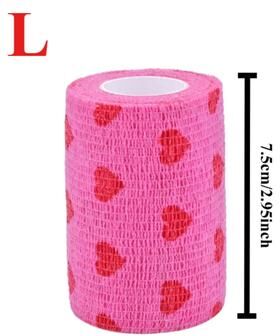
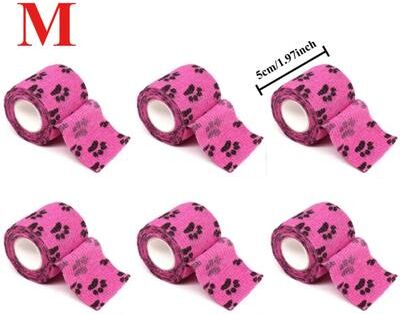
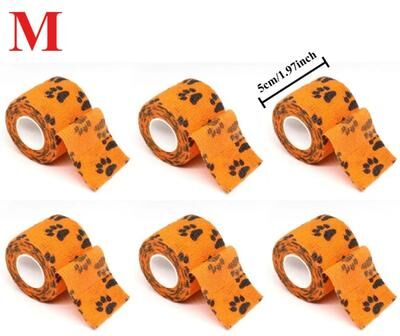
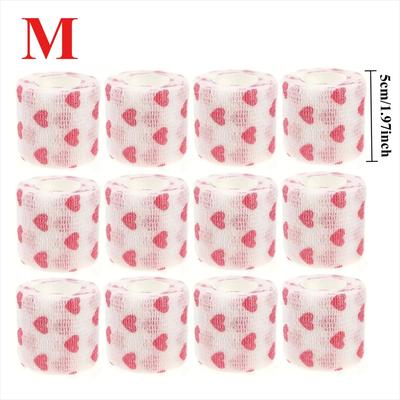
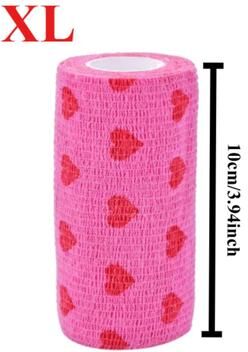
Inspire Essentials Self Adhesive Pet Bandage Wrap For Dogs And Cats 8Help keep your furry companion comfortable and protected with this pet bandage wrap designed for dogs and cats. Made with soft flexible non woven material this self adhesive bandage provides gentle support and coverage for legs paws and minor...34,98 $*Shipping: 0,00 $Secure redirect to the provider
-
Inspire Essentials Self Adhesive Pet Bandage Wrap For Dogs And Cats 15Help keep your furry companion comfortable and protected with this pet bandage wrap designed for dogs and cats. Made with soft flexible non woven material this self adhesive bandage provides gentle support and coverage for legs paws and minor...34,98 $*Shipping: 0,00 $Secure redirect to the provider
-
Inspire Essentials Self Adhesive Pet Bandage Wrap For Dogs And Cats 3Help keep your furry companion comfortable and protected with this pet bandage wrap designed for dogs and cats. Made with soft flexible non woven material this self adhesive bandage provides gentle support and coverage for legs paws and minor...34,98 $*Shipping: 0,00 $Secure redirect to the provider
-
Inspire Essentials Self Adhesive Pet Bandage Wrap For Dogs And Cats 16Help keep your furry companion comfortable and protected with this pet bandage wrap designed for dogs and cats. Made with soft flexible non woven material this self adhesive bandage provides gentle support and coverage for legs paws and minor...34,98 $*Shipping: 0,00 $Secure redirect to the provider


-
Can you run an intravenous infusion with tap water?
No, it is not safe to run an intravenous infusion with tap water. Tap water may contain impurities, bacteria, and other contaminants that can be harmful if introduced into the bloodstream. Using tap water for an intravenous infusion can lead to serious infections and other complications. It is important to use sterile, medical-grade fluids for intravenous infusions to ensure the safety and well-being of the patient. **
-
Is it bad to have a bump after an intravenous injection?
It is not uncommon to have a bump or swelling at the injection site after receiving an intravenous injection. This can happen due to the needle piercing the skin and causing some trauma to the surrounding tissue. In most cases, the bump is temporary and will go away on its own. However, if the bump is painful, red, or continues to grow in size, it is important to seek medical attention as it could be a sign of infection or another complication. **
-
How do I as a school paramedic establish an intravenous access?
As a school paramedic, you can establish intravenous access by first assessing the patient's condition and determining the need for IV therapy. Once the need is identified, gather the necessary equipment such as IV catheters, IV tubing, and a sterile dressing. Choose an appropriate site for the IV access, typically the forearm or hand, and clean the area with an antiseptic solution. Use a tourniquet to engorge the veins and carefully insert the IV catheter into the vein at a 15-30 degree angle. Once the catheter is in place, secure it with a dressing and begin administering the necessary fluids or medications. Always monitor the IV site for any signs of complications and ensure the patient is comfortable throughout the process. **
-
Can a paramedic insert intravenous access, and if so, which ones?
Yes, paramedics are trained to insert intravenous (IV) access. They are typically trained to insert peripheral IV lines, which are inserted into a vein in the arms, hands, or legs. In some cases, paramedics may also be trained to insert central venous catheters, which are inserted into larger veins in the neck, chest, or groin for more advanced access. The specific training and scope of practice for paramedics may vary by region and level of certification. **

How can emergency medications be administered as a bolus through a peripheral intravenous cannula?
Emergency medications can be administered as a bolus through a peripheral intravenous cannula by flushing the cannula with a small amount of normal saline before and after administering the medication to ensure proper delivery. The medication should be administered slowly to prevent complications such as phlebitis or infiltration. It is important to monitor the patient closely for any signs of adverse reactions during and after administration of the medication. Additionally, healthcare providers should follow institutional protocols and guidelines for administering emergency medications through a peripheral intravenous cannula. **
What is a adhesive strip bandage?
An adhesive strip bandage is a small, flexible bandage that is used to cover and protect minor cuts, scrapes, and wounds. It consists of a small, absorbent pad attached to a thin, adhesive strip that sticks to the skin. The adhesive strip bandage is designed to stay in place and provide a barrier against dirt and bacteria while the wound heals. It is a common first aid item found in most households and medical kits. **
Top-Angebote
Products related to Intravenous:
-
Inspire Essentials Self Adhesive Pet Bandage Wrap For Dogs And Cats 1Help keep your furry companion comfortable and protected with this pet bandage wrap designed for dogs and cats. Made with soft flexible non woven material this self adhesive bandage provides gentle support and coverage for legs paws and minor...34,98 $*Shipping: 0,00 $Secure redirect to the provider
-
Inspire Essentials Self Adhesive Pet Bandage Wrap For Dogs And Cats 9Help keep your furry companion comfortable and protected with this pet bandage wrap designed for dogs and cats. Made with soft flexible non woven material this self adhesive bandage provides gentle support and coverage for legs paws and minor...34,98 $*Shipping: 0,00 $Secure redirect to the provider
-
Inspire Essentials Self Adhesive Pet Bandage Wrap For Dogs And Cats 8Help keep your furry companion comfortable and protected with this pet bandage wrap designed for dogs and cats. Made with soft flexible non woven material this self adhesive bandage provides gentle support and coverage for legs paws and minor...34,98 $*Shipping: 0,00 $Secure redirect to the provider
-
Inspire Essentials Self Adhesive Pet Bandage Wrap For Dogs And Cats 15Help keep your furry companion comfortable and protected with this pet bandage wrap designed for dogs and cats. Made with soft flexible non woven material this self adhesive bandage provides gentle support and coverage for legs paws and minor...34,98 $*Shipping: 0,00 $Secure redirect to the provider
-
How are intravenous catheters disinfected?
Intravenous catheters are typically disinfected using alcohol-based solutions such as chlorhexidine or povidone-iodine. Before inserting the catheter, the healthcare provider will clean the insertion site with the disinfectant solution to reduce the risk of infection. It is important to follow proper disinfection protocols to maintain a sterile environment and prevent complications for the patient. **
-
How are intravenous cannulas disinfected?
Intravenous cannulas are disinfected by first washing hands thoroughly with soap and water. The cannula is then wiped with an alcohol swab to disinfect the external surface. Before insertion, the cannula is flushed with saline to ensure it is clear of any debris or contaminants. Healthcare professionals also follow strict aseptic techniques during the insertion process to prevent infections. **
-
Can you run an intravenous infusion with tap water?
No, it is not safe to run an intravenous infusion with tap water. Tap water may contain impurities, bacteria, and other contaminants that can be harmful if introduced into the bloodstream. Using tap water for an intravenous infusion can lead to serious infections and other complications. It is important to use sterile, medical-grade fluids for intravenous infusions to ensure the safety and well-being of the patient. **
-
Is it bad to have a bump after an intravenous injection?
It is not uncommon to have a bump or swelling at the injection site after receiving an intravenous injection. This can happen due to the needle piercing the skin and causing some trauma to the surrounding tissue. In most cases, the bump is temporary and will go away on its own. However, if the bump is painful, red, or continues to grow in size, it is important to seek medical attention as it could be a sign of infection or another complication. **
Similar search terms for Intravenous
-
Inspire Essentials Self Adhesive Pet Bandage Wrap For Dogs And Cats 3Help keep your furry companion comfortable and protected with this pet bandage wrap designed for dogs and cats. Made with soft flexible non woven material this self adhesive bandage provides gentle support and coverage for legs paws and minor...34,98 $*Shipping: 0,00 $Secure redirect to the provider
-
Inspire Essentials Self Adhesive Pet Bandage Wrap For Dogs And Cats 16Help keep your furry companion comfortable and protected with this pet bandage wrap designed for dogs and cats. Made with soft flexible non woven material this self adhesive bandage provides gentle support and coverage for legs paws and minor...34,98 $*Shipping: 0,00 $Secure redirect to the provider
-
Inspire Essentials Self Adhesive Pet Bandage Wrap For Dogs And Cats 2Help keep your furry companion comfortable and protected with this pet bandage wrap designed for dogs and cats. Made with soft flexible non woven material this self adhesive bandage provides gentle support and coverage for legs paws and minor...34,98 $*Shipping: 0,00 $Secure redirect to the provider
-
Inspire Essentials Self Adhesive Pet Bandage Wrap For Dogs And Cats 4Help keep your furry companion comfortable and protected with this pet bandage wrap designed for dogs and cats. Made with soft flexible non woven material this self adhesive bandage provides gentle support and coverage for legs paws and minor...34,98 $*Shipping: 0,00 $Secure redirect to the provider
-
How do I as a school paramedic establish an intravenous access?
As a school paramedic, you can establish intravenous access by first assessing the patient's condition and determining the need for IV therapy. Once the need is identified, gather the necessary equipment such as IV catheters, IV tubing, and a sterile dressing. Choose an appropriate site for the IV access, typically the forearm or hand, and clean the area with an antiseptic solution. Use a tourniquet to engorge the veins and carefully insert the IV catheter into the vein at a 15-30 degree angle. Once the catheter is in place, secure it with a dressing and begin administering the necessary fluids or medications. Always monitor the IV site for any signs of complications and ensure the patient is comfortable throughout the process. **
-
Can a paramedic insert intravenous access, and if so, which ones?
Yes, paramedics are trained to insert intravenous (IV) access. They are typically trained to insert peripheral IV lines, which are inserted into a vein in the arms, hands, or legs. In some cases, paramedics may also be trained to insert central venous catheters, which are inserted into larger veins in the neck, chest, or groin for more advanced access. The specific training and scope of practice for paramedics may vary by region and level of certification. **
-
How can emergency medications be administered as a bolus through a peripheral intravenous cannula?
Emergency medications can be administered as a bolus through a peripheral intravenous cannula by flushing the cannula with a small amount of normal saline before and after administering the medication to ensure proper delivery. The medication should be administered slowly to prevent complications such as phlebitis or infiltration. It is important to monitor the patient closely for any signs of adverse reactions during and after administration of the medication. Additionally, healthcare providers should follow institutional protocols and guidelines for administering emergency medications through a peripheral intravenous cannula. **
-
What is a adhesive strip bandage?
An adhesive strip bandage is a small, flexible bandage that is used to cover and protect minor cuts, scrapes, and wounds. It consists of a small, absorbent pad attached to a thin, adhesive strip that sticks to the skin. The adhesive strip bandage is designed to stay in place and provide a barrier against dirt and bacteria while the wound heals. It is a common first aid item found in most households and medical kits. **
* All prices are inclusive of VAT and, if applicable, plus shipping costs. The offer information is based on the details provided by the respective shop and is updated through automated processes. Real-time updates do not occur, so deviations can occur in individual cases. ** Note: Parts of this content were created by AI.