Buy taping.eu ?
We are moving the project
taping.eu .
Are you interested in purchasing the domain
taping.eu ?
domain@kv-gmbh.de · 0541-91531010
Buy taping.eu ?
How are termite mounds formed?
Termite mounds are formed by a colony of termites working together to construct a complex structure made of soil, saliva, and feces. The termites build the mound by continuously adding and removing soil particles, creating a network of tunnels and chambers within the structure. The mound serves as a home for the termite colony, providing protection from predators, regulating temperature and humidity levels, and serving as a nursery for their young. Over time, the mound can grow in size and complexity as the colony expands and continues to modify the structure. **
How many kilocalories does a termite have?
A termite has approximately 3.9 kilocalories. Termites are small insects that primarily feed on wood and other plant materials, which are rich in cellulose. Their diet allows them to extract energy from the cellulose through the help of symbiotic microorganisms in their gut, providing them with the necessary kilocalories for survival. **
Similar search terms for Termite
Top-Angebote
Products related to Termite:
-
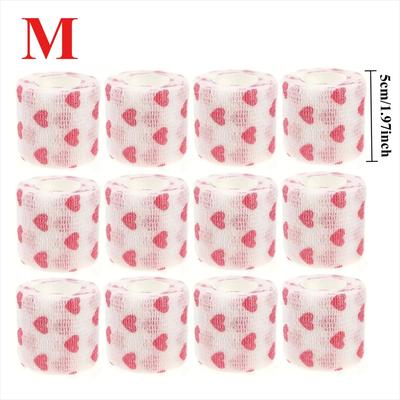
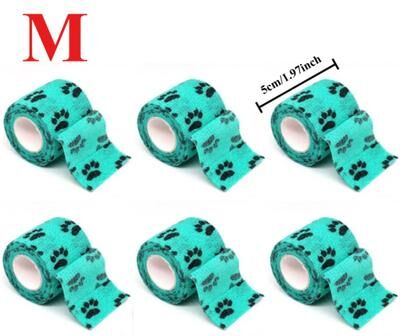
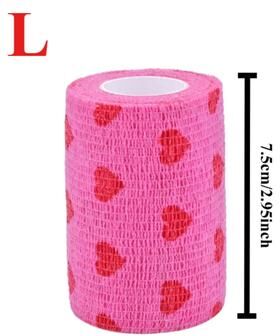
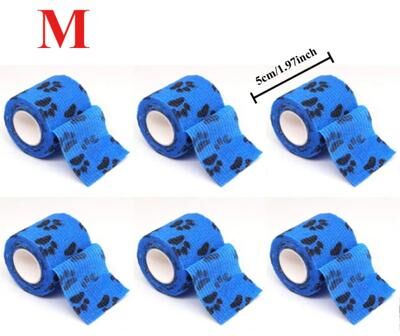
Inspire Essentials Self Adhesive Pet Bandage Wrap For Dogs And Cats 6Help keep your furry companion comfortable and protected with this pet bandage wrap designed for dogs and cats. Made with soft flexible non woven material this self adhesive bandage provides gentle support and coverage for legs paws and minor...34,98 $*Shipping: 0,00 $Secure redirect to the provider
-
Inspire Essentials Self Adhesive Pet Bandage Wrap For Dogs And Cats 1Help keep your furry companion comfortable and protected with this pet bandage wrap designed for dogs and cats. Made with soft flexible non woven material this self adhesive bandage provides gentle support and coverage for legs paws and minor...34,98 $*Shipping: 0,00 $Secure redirect to the provider
-
Inspire Essentials Self Adhesive Pet Bandage Wrap For Dogs And Cats 5Help keep your furry companion comfortable and protected with this pet bandage wrap designed for dogs and cats. Made with soft flexible non woven material this self adhesive bandage provides gentle support and coverage for legs paws and minor...34,98 $*Shipping: 0,00 $Secure redirect to the provider
-
Inspire Essentials Self Adhesive Pet Bandage Wrap For Dogs And Cats 2Help keep your furry companion comfortable and protected with this pet bandage wrap designed for dogs and cats. Made with soft flexible non woven material this self adhesive bandage provides gentle support and coverage for legs paws and minor...34,98 $*Shipping: 0,00 $Secure redirect to the provider


-
What is a termite doing in the bed?
A termite in the bed could be a sign of a larger termite infestation in the home. Termites are known for their ability to cause damage to wooden structures, and finding one in the bed could indicate that they have spread to the furniture or even the walls of the house. It's important to address this issue promptly by contacting a pest control professional to assess the extent of the infestation and take appropriate measures to eliminate the termites. **
-
What is the chemical reaction equation for the termite process?
The chemical reaction equation for the termite process, also known as the digestion of cellulose by termites, is: Cellulose + Microbes (in termite gut) → Glucose + Microbial byproducts In this process, the cellulose found in wood and plant material is broken down by the microbes in the termite's gut into simpler sugars like glucose, along with various microbial byproducts. This allows termites to efficiently extract energy from cellulose, which is otherwise indigestible for most animals. **
-
What is a adhesive strip bandage?
An adhesive strip bandage is a small, flexible bandage that is used to cover and protect minor cuts, scrapes, and wounds. It consists of a small, absorbent pad attached to a thin, adhesive strip that sticks to the skin. The adhesive strip bandage is designed to stay in place and provide a barrier against dirt and bacteria while the wound heals. It is a common first aid item found in most households and medical kits. **
-
How can adhesive bandage residue be removed painlessly?
Adhesive bandage residue can be removed painlessly by using a few different methods. One option is to apply a small amount of baby oil or coconut oil to the residue and gently rub it in to loosen the adhesive. Another method is to use a warm, damp washcloth to gently soften the residue before carefully peeling it off. Additionally, there are adhesive remover products available that are specifically designed to dissolve and remove bandage residue without causing discomfort. **
Does adhesive mean exclusively glue or also bandage?
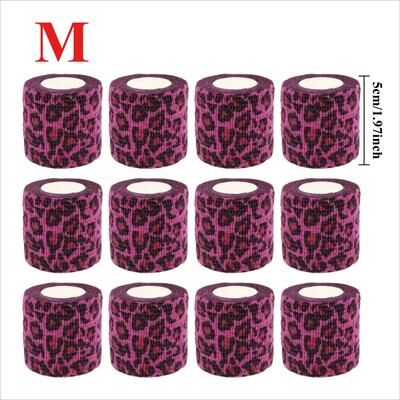
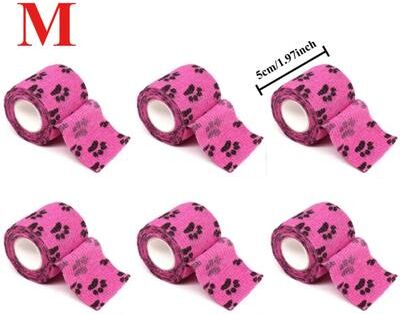
The term "adhesive" can refer to both glue and bandage. In a general sense, adhesive refers to any substance that is used to stick things together. This can include traditional glue used for crafts and repairs, as well as medical adhesives used to secure bandages and dressings to the skin. Therefore, adhesive can encompass both glue and bandage in its definition. **
How do you remove adhesive residue from a bandage?
To remove adhesive residue from a bandage, you can try using oil-based products such as baby oil, coconut oil, or olive oil. Simply apply a small amount of oil to the residue and gently rub it in. Let it sit for a few minutes to help break down the adhesive, then wipe it away with a clean cloth. You can also try using rubbing alcohol or adhesive remover specifically designed for medical purposes. Be sure to wash the area with soap and water afterward to remove any remaining residue. **
Top-Angebote
Products related to Termite:
-
Inspire Essentials Self Adhesive Pet Bandage Wrap For Dogs And Cats 16Help keep your furry companion comfortable and protected with this pet bandage wrap designed for dogs and cats. Made with soft flexible non woven material this self adhesive bandage provides gentle support and coverage for legs paws and minor...34,98 $*Shipping: 0,00 $Secure redirect to the provider
-
Inspire Essentials Self Adhesive Pet Bandage Wrap For Dogs And Cats 7Help keep your furry companion comfortable and protected with this pet bandage wrap designed for dogs and cats. Made with soft flexible non woven material this self adhesive bandage provides gentle support and coverage for legs paws and minor...34,98 $*Shipping: 0,00 $Secure redirect to the provider
-
Inspire Essentials Self Adhesive Pet Bandage Wrap For Dogs And Cats 6Help keep your furry companion comfortable and protected with this pet bandage wrap designed for dogs and cats. Made with soft flexible non woven material this self adhesive bandage provides gentle support and coverage for legs paws and minor...34,98 $*Shipping: 0,00 $Secure redirect to the provider
-
Inspire Essentials Self Adhesive Pet Bandage Wrap For Dogs And Cats 1Help keep your furry companion comfortable and protected with this pet bandage wrap designed for dogs and cats. Made with soft flexible non woven material this self adhesive bandage provides gentle support and coverage for legs paws and minor...34,98 $*Shipping: 0,00 $Secure redirect to the provider
-
How are termite mounds formed?
Termite mounds are formed by a colony of termites working together to construct a complex structure made of soil, saliva, and feces. The termites build the mound by continuously adding and removing soil particles, creating a network of tunnels and chambers within the structure. The mound serves as a home for the termite colony, providing protection from predators, regulating temperature and humidity levels, and serving as a nursery for their young. Over time, the mound can grow in size and complexity as the colony expands and continues to modify the structure. **
-
How many kilocalories does a termite have?
A termite has approximately 3.9 kilocalories. Termites are small insects that primarily feed on wood and other plant materials, which are rich in cellulose. Their diet allows them to extract energy from the cellulose through the help of symbiotic microorganisms in their gut, providing them with the necessary kilocalories for survival. **
-
What is a termite doing in the bed?
A termite in the bed could be a sign of a larger termite infestation in the home. Termites are known for their ability to cause damage to wooden structures, and finding one in the bed could indicate that they have spread to the furniture or even the walls of the house. It's important to address this issue promptly by contacting a pest control professional to assess the extent of the infestation and take appropriate measures to eliminate the termites. **
-
What is the chemical reaction equation for the termite process?
The chemical reaction equation for the termite process, also known as the digestion of cellulose by termites, is: Cellulose + Microbes (in termite gut) → Glucose + Microbial byproducts In this process, the cellulose found in wood and plant material is broken down by the microbes in the termite's gut into simpler sugars like glucose, along with various microbial byproducts. This allows termites to efficiently extract energy from cellulose, which is otherwise indigestible for most animals. **
Similar search terms for Termite
-
Inspire Essentials Self Adhesive Pet Bandage Wrap For Dogs And Cats 5Help keep your furry companion comfortable and protected with this pet bandage wrap designed for dogs and cats. Made with soft flexible non woven material this self adhesive bandage provides gentle support and coverage for legs paws and minor...34,98 $*Shipping: 0,00 $Secure redirect to the provider
-
Inspire Essentials Self Adhesive Pet Bandage Wrap For Dogs And Cats 2Help keep your furry companion comfortable and protected with this pet bandage wrap designed for dogs and cats. Made with soft flexible non woven material this self adhesive bandage provides gentle support and coverage for legs paws and minor...34,98 $*Shipping: 0,00 $Secure redirect to the provider
-
Inspire Essentials Self Adhesive Pet Bandage Wrap For Dogs And Cats 13Help keep your furry companion comfortable and protected with this pet bandage wrap designed for dogs and cats. Made with soft flexible non woven material this self adhesive bandage provides gentle support and coverage for legs paws and minor...34,98 $*Shipping: 0,00 $Secure redirect to the provider
-
Inspire Essentials Self Adhesive Pet Bandage Wrap For Dogs And Cats 9Help keep your furry companion comfortable and protected with this pet bandage wrap designed for dogs and cats. Made with soft flexible non woven material this self adhesive bandage provides gentle support and coverage for legs paws and minor...34,98 $*Shipping: 0,00 $Secure redirect to the provider
-
What is a adhesive strip bandage?
An adhesive strip bandage is a small, flexible bandage that is used to cover and protect minor cuts, scrapes, and wounds. It consists of a small, absorbent pad attached to a thin, adhesive strip that sticks to the skin. The adhesive strip bandage is designed to stay in place and provide a barrier against dirt and bacteria while the wound heals. It is a common first aid item found in most households and medical kits. **
-
How can adhesive bandage residue be removed painlessly?
Adhesive bandage residue can be removed painlessly by using a few different methods. One option is to apply a small amount of baby oil or coconut oil to the residue and gently rub it in to loosen the adhesive. Another method is to use a warm, damp washcloth to gently soften the residue before carefully peeling it off. Additionally, there are adhesive remover products available that are specifically designed to dissolve and remove bandage residue without causing discomfort. **
-
Does adhesive mean exclusively glue or also bandage?
The term "adhesive" can refer to both glue and bandage. In a general sense, adhesive refers to any substance that is used to stick things together. This can include traditional glue used for crafts and repairs, as well as medical adhesives used to secure bandages and dressings to the skin. Therefore, adhesive can encompass both glue and bandage in its definition. **
-
How do you remove adhesive residue from a bandage?
To remove adhesive residue from a bandage, you can try using oil-based products such as baby oil, coconut oil, or olive oil. Simply apply a small amount of oil to the residue and gently rub it in. Let it sit for a few minutes to help break down the adhesive, then wipe it away with a clean cloth. You can also try using rubbing alcohol or adhesive remover specifically designed for medical purposes. Be sure to wash the area with soap and water afterward to remove any remaining residue. **
* All prices are inclusive of VAT and, if applicable, plus shipping costs. The offer information is based on the details provided by the respective shop and is updated through automated processes. Real-time updates do not occur, so deviations can occur in individual cases. ** Note: Parts of this content were created by AI.